Contemplative Teachings — A Place of Understanding
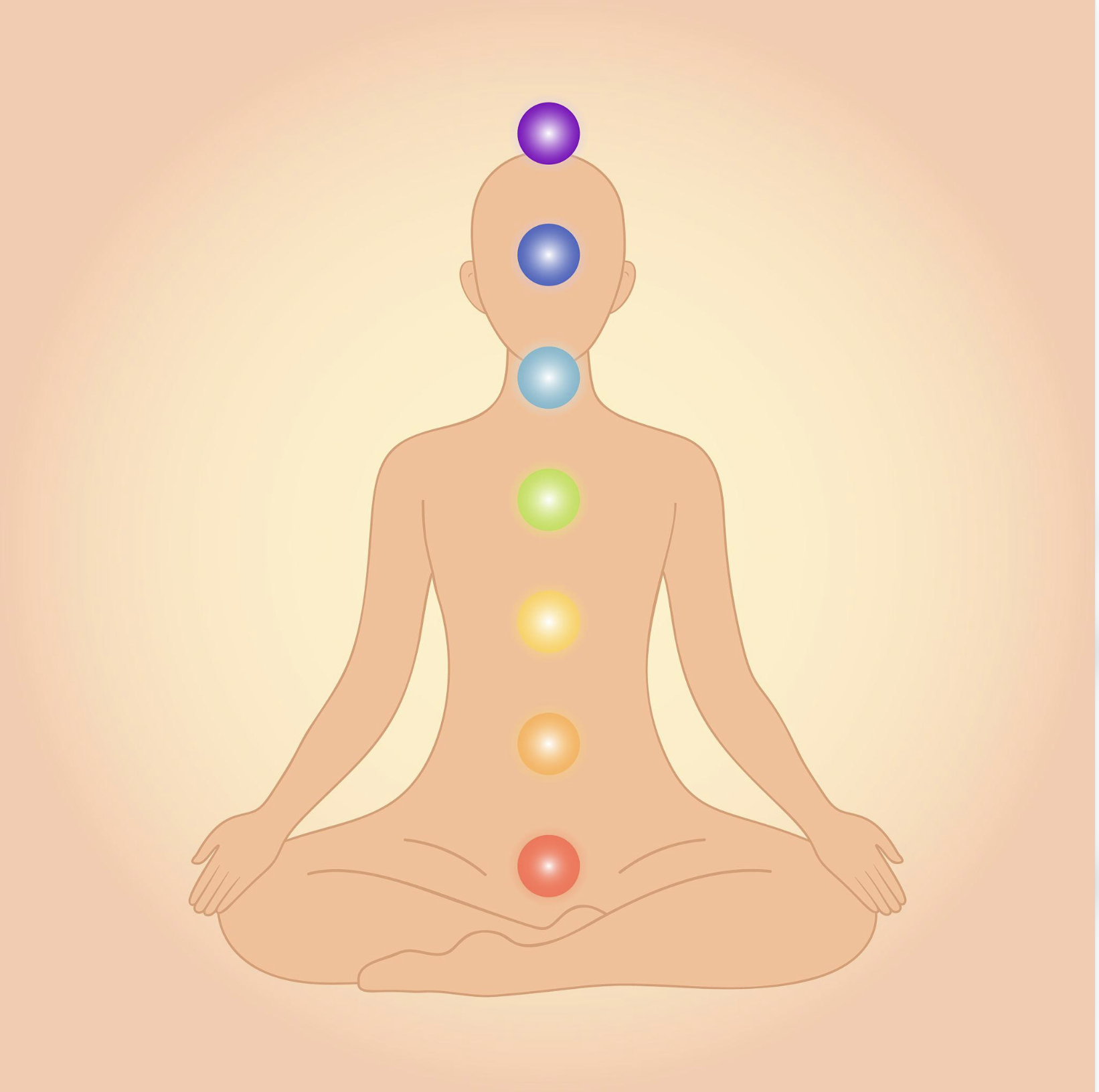
The seven chakras and their symbolic associations.
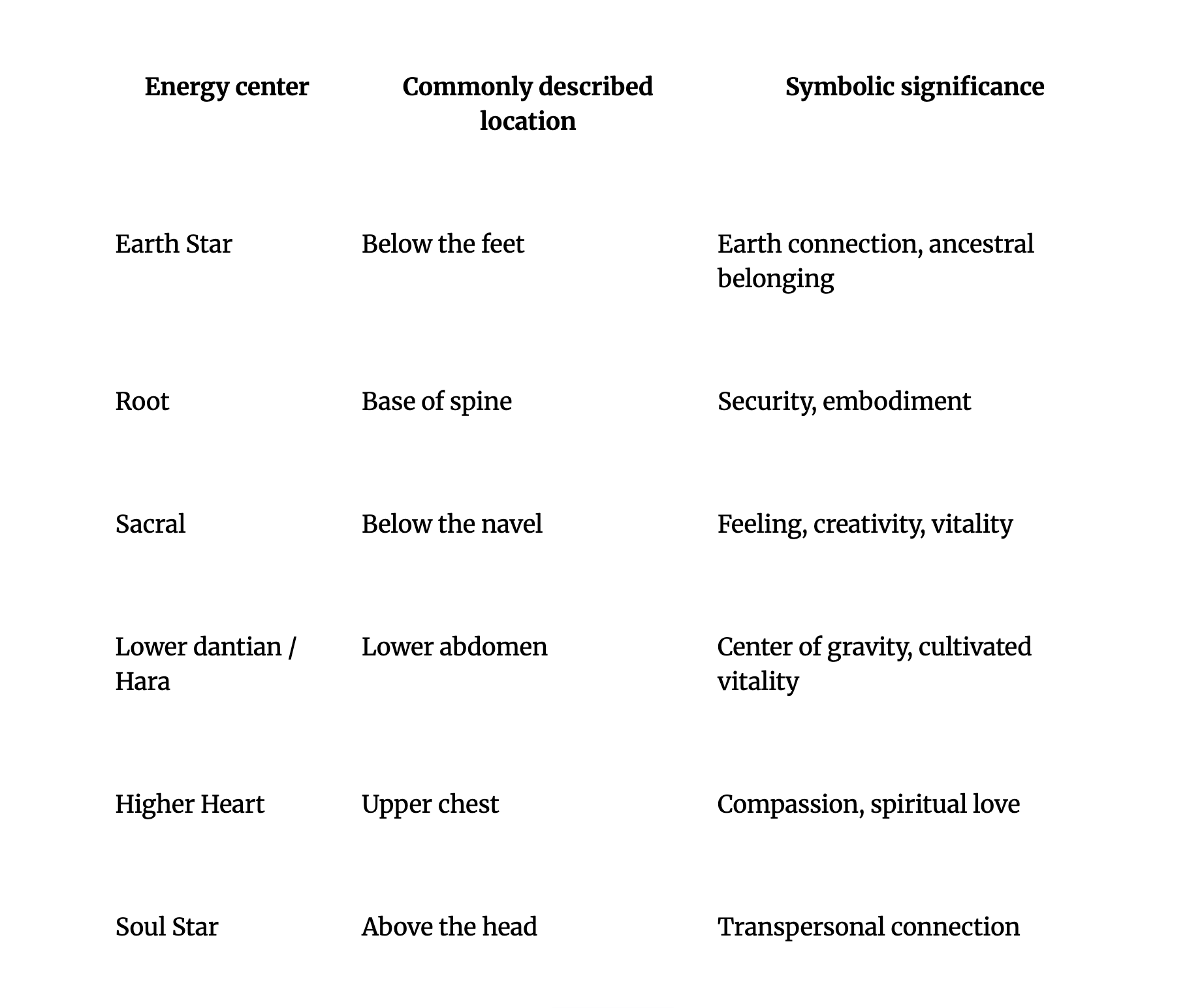
The Earth Star and expanded chakra traditions.
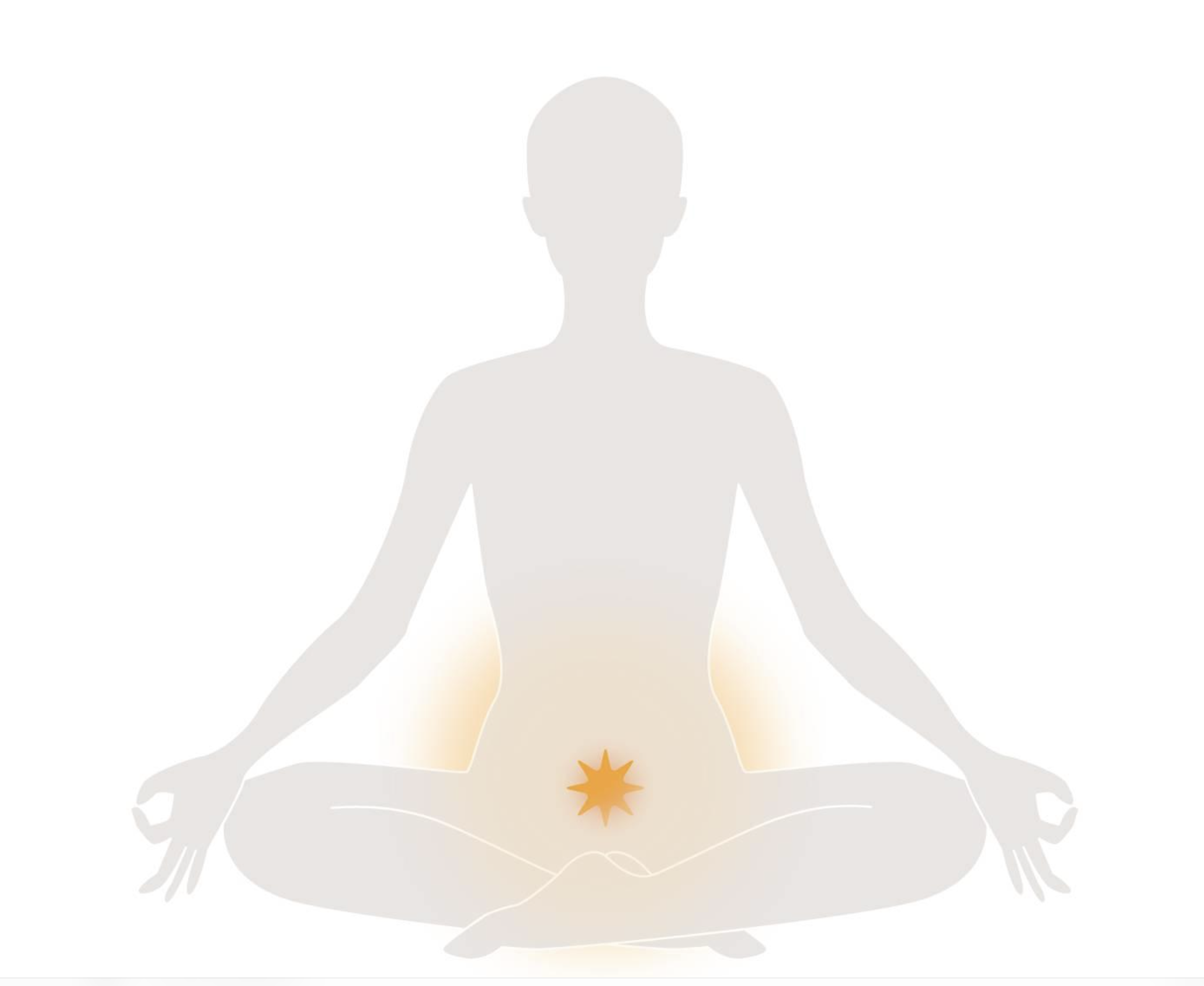
The Hara and its relationship to Japanese contemplative practice.
The relationship between earth, body, and sky.
The distinction between spiritual connection and spiritual achievement.
Contemplative Teachings
About Chakras
Different teachers use different chakra mappings.
However, there are additional centers in some contemporary systems, including the lower dantian, the hara, and the Earth Star chakra.
They are not all from the same tradition.
The lower dantian comes primarily from Chinese traditions, while hara has a related but distinct place in Japanese practice. Earth Star, Higher Heart, and Soul Star belong largely to contemporary expanded chakra teachings.
So we should not treat these as universally recognized additions to an original seven.
What is included in the Great Dawn Tree meditation
The Earth Star is particularly meaningful for the Axial Arbor.
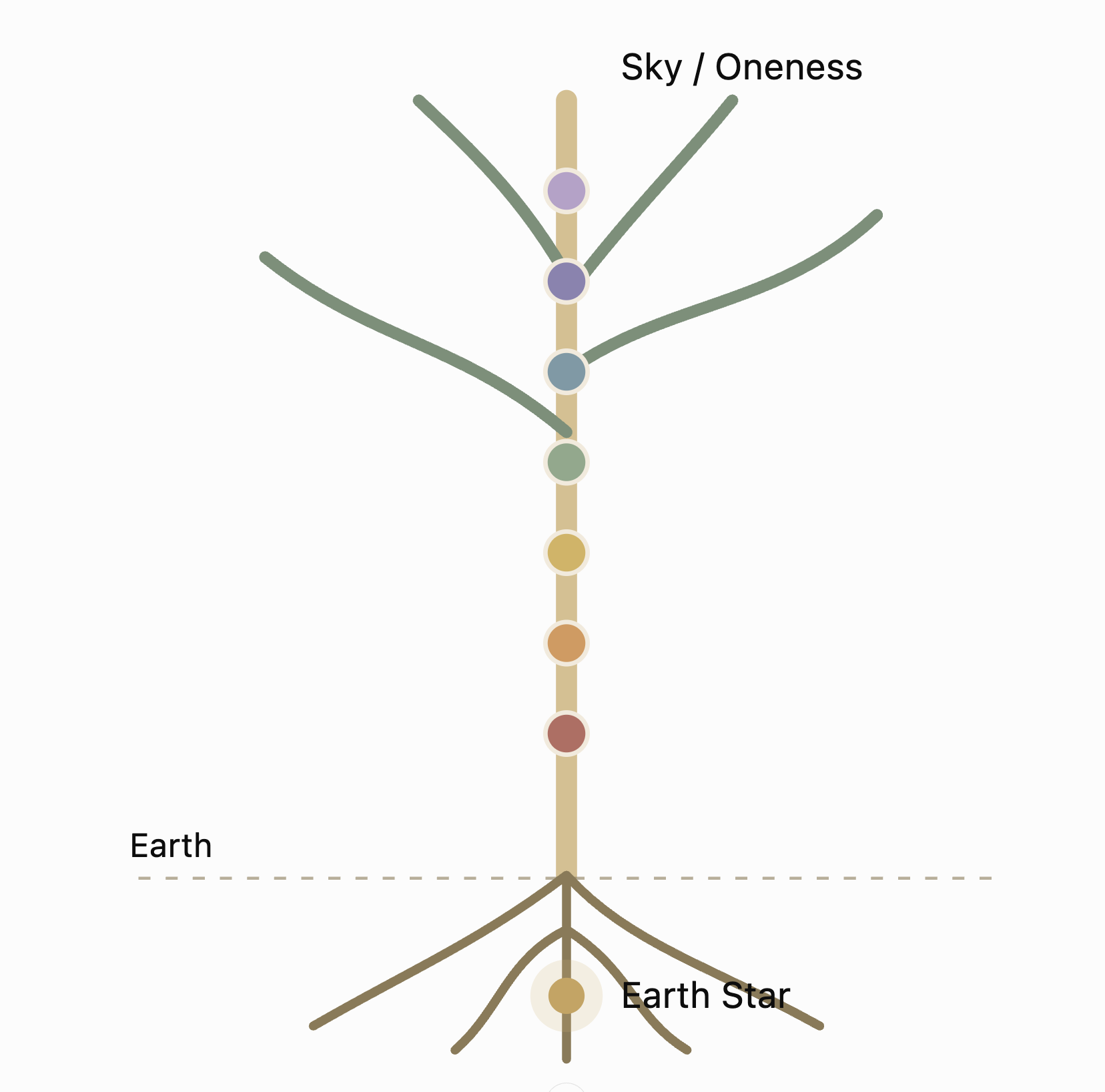
Conceptual illustration: the living axis connects earth, body, and sky. The Earth Star is shown symbolically beneath the feet.
The Earth Star as a point of imaginative connection beneath the body, then guide attention upward through the seven familiar chakras and finally into the open sky.
The Axial Arbor does not require us to open more and more chakras in pursuit of spiritual achievement.
It invites us to inhabit the body, cultivate awareness, receive support, and experience relationship with the greater living world.
The practice is called
The Living Axis — A Meditation of Earth, Body, and Sky
And there is a beautiful final movement: after imagining the crown opening into the sky, we return all the way down to the roots.
Not escaping the earth to reach the heavens, but discovering that we belong to both.
That is the wisdom of the Great Dawn Tree.
The Hara
In Japanese traditions, the Hara refers to the lower abdomen, especially the region below the navel. The tanden (closely related to the Chinese lower dantian) is often understood as a center of bodily balance, vitality, and grounded presence.
The Hara invites us to settle into our center.
In Japanese contemplative and martial traditions, attention to the lower abdomen supports a sense of stability, embodied presence, and coordinated movement.
It is not necessarily an additional chakra. It belongs to a different tradition of understanding the body.
How to incorporate the Hara
After establishing our roots, the meditation invites us to place our attention a few inches below your navel.
Imagine a small, steady golden warmth there.
Not a blazing fire. Not an energy you must force into existence.
Simply a center of quiet vitality.
Breathe naturally, allowing the abdomen to soften.
Then imagine the trunk of the Great Dawn Tree rising from this grounded center, extending through the heart and toward the crown.
The Hara becomes the place from which we rise without losing our roots.
The Tree does not rise by abandoning its roots. Its strength comes from remaining connected to the ground while growing toward the light.
The Hara is not an eighth chakra we must activate. Rather, it can be a point of embodied awareness between grounding and rising.
We can remain centered in ourselves while participating in the larger whole.
That is one of the gifts of the Living Axis.