 Image 1 of 4
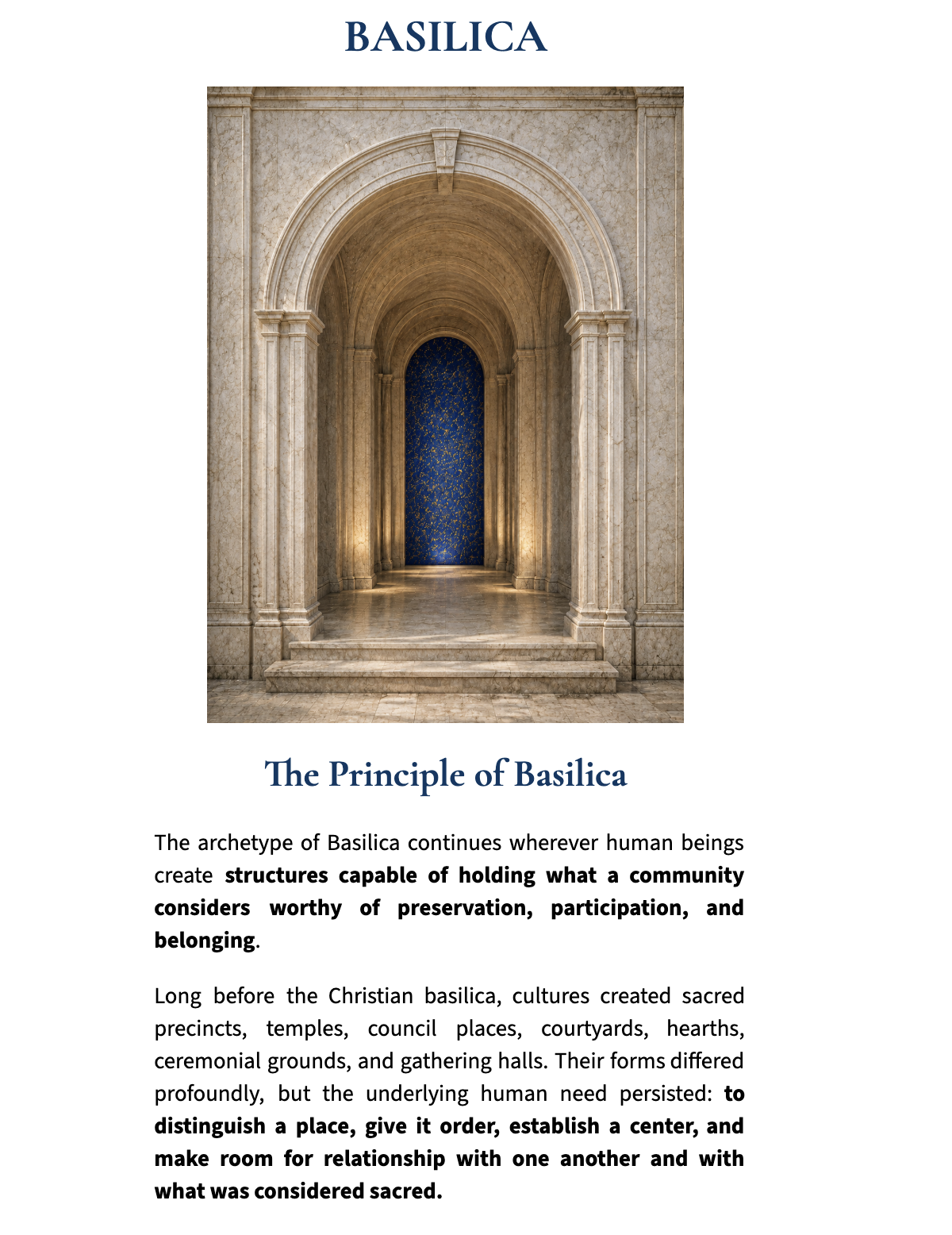 Image 2 of 4
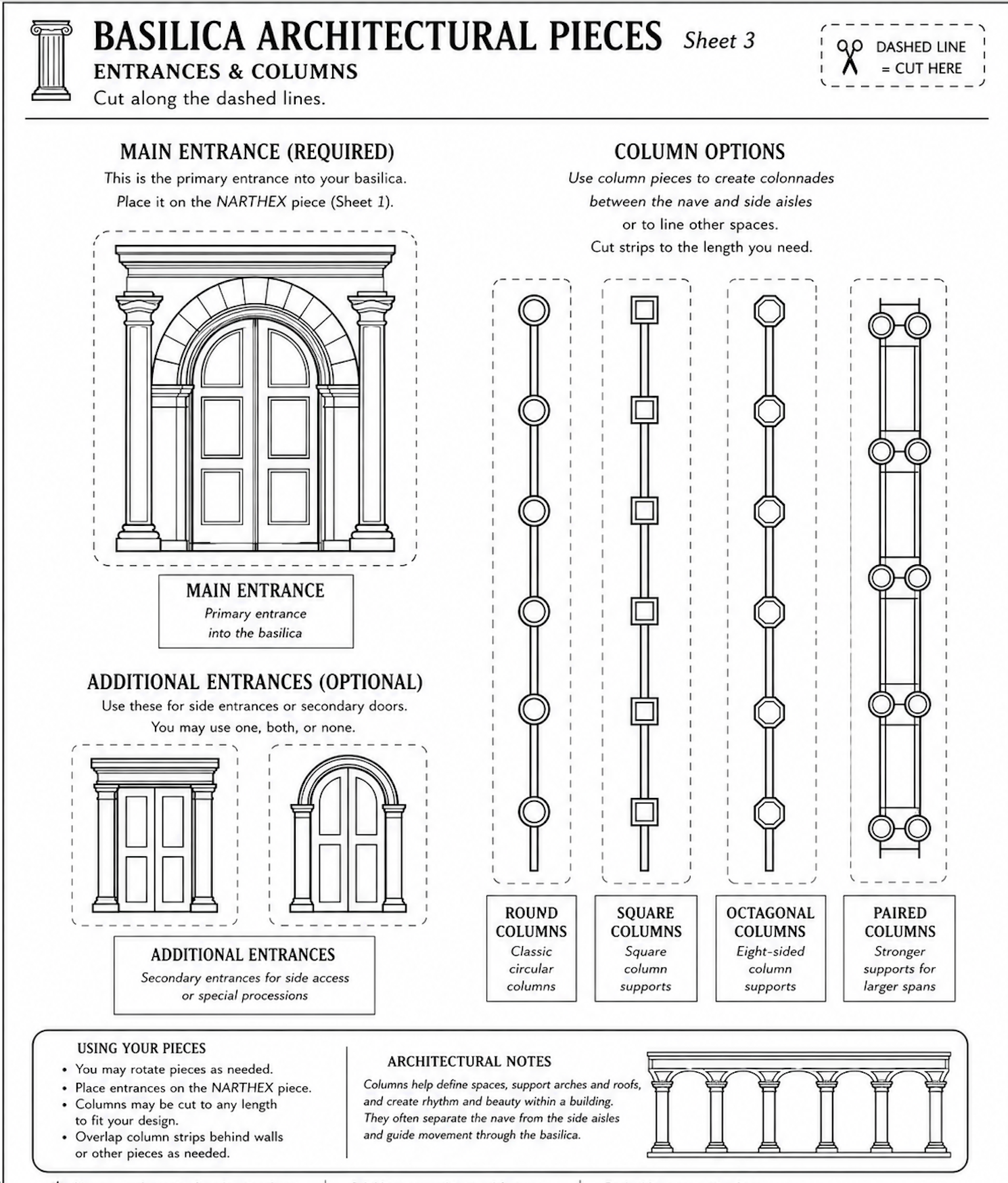 Image 3 of 4
 Image 4 of 4
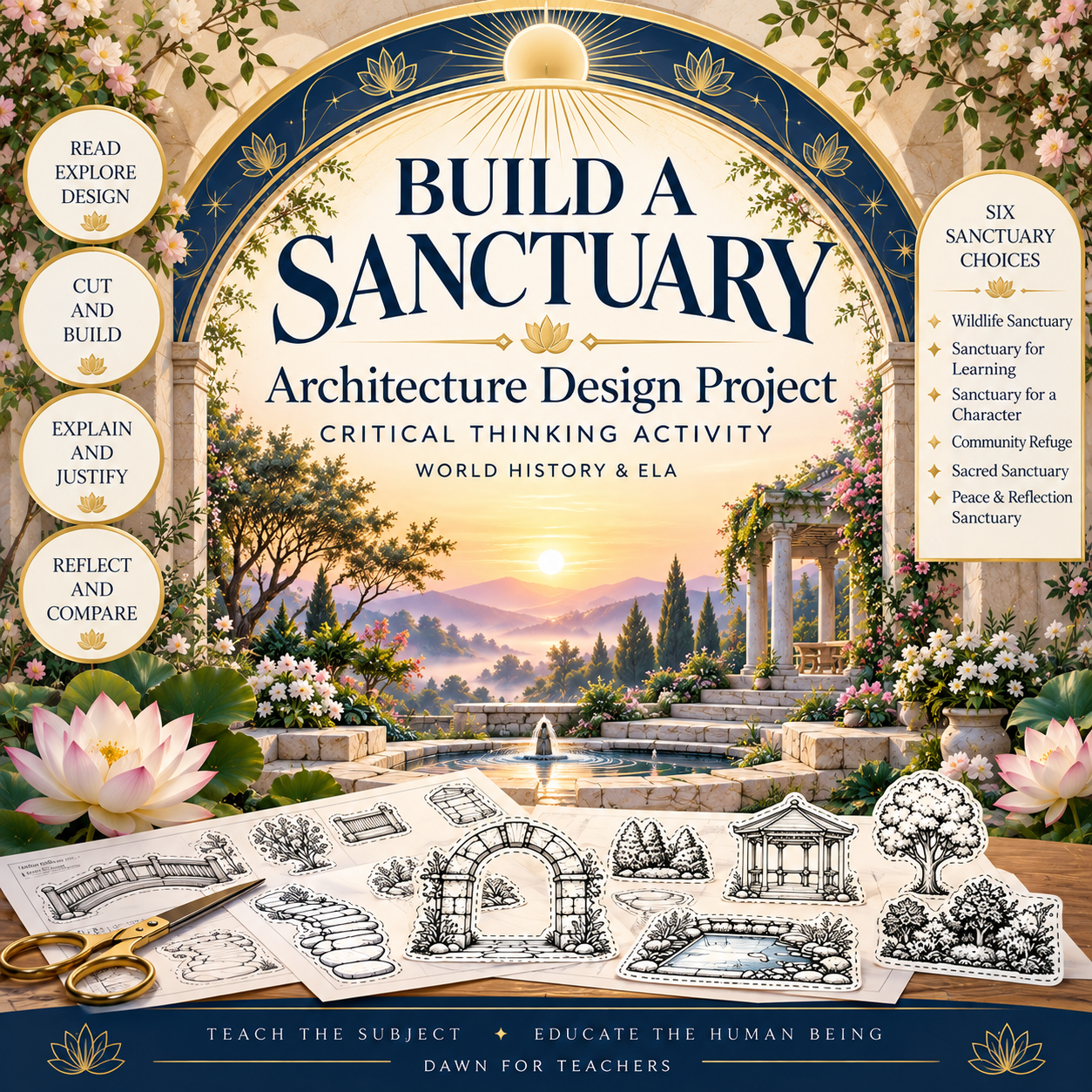
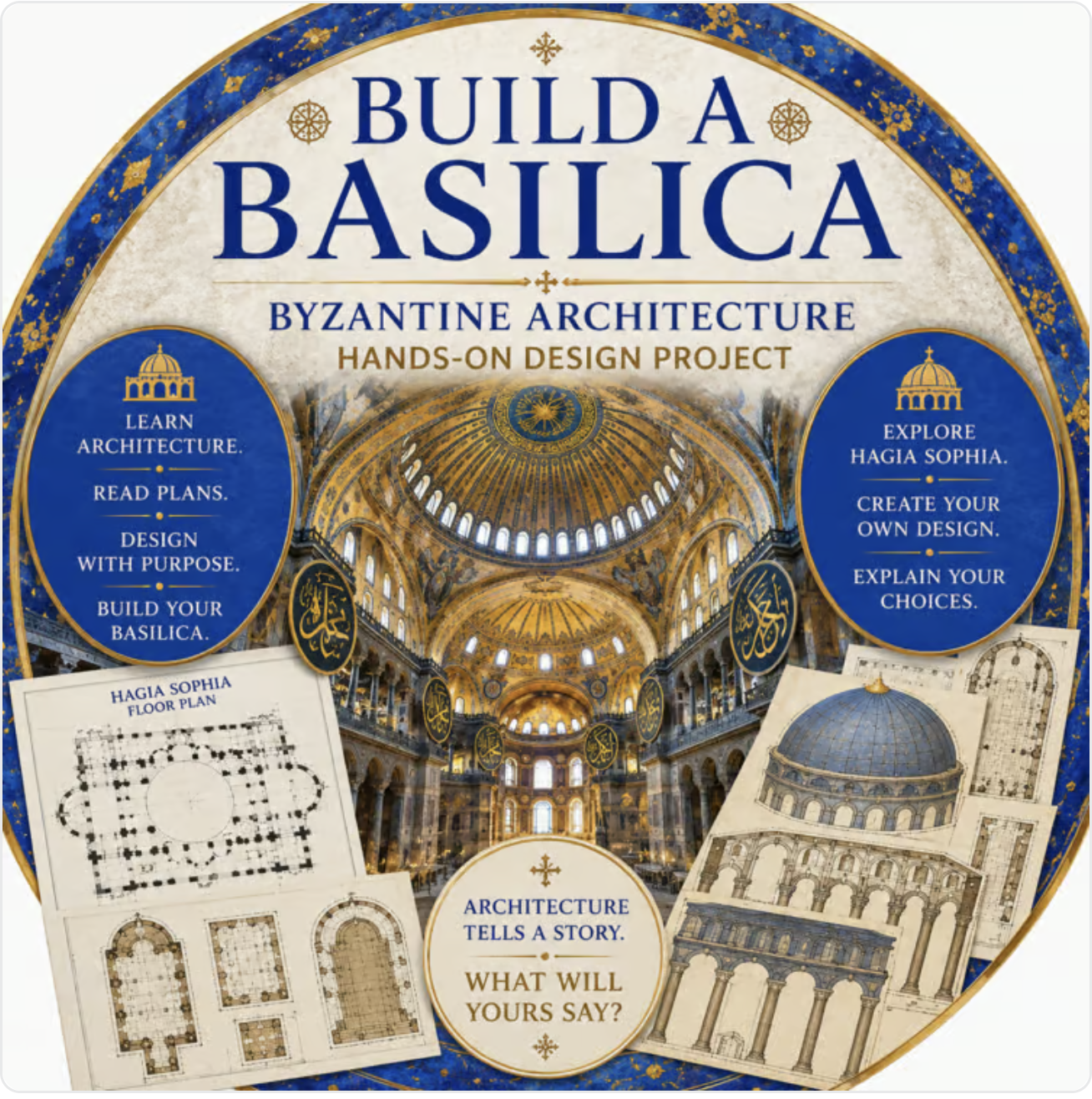
Bring Byzantine architecture to life with a hands-on design project that gets students learning, creating, and thinking like architects.
In Build a Basilica, students learn the vocabulary of sacred and monumental architecture, examine the floor plan of Hagia Sophia, and then use printable architectural pieces to design a basilica of their own.
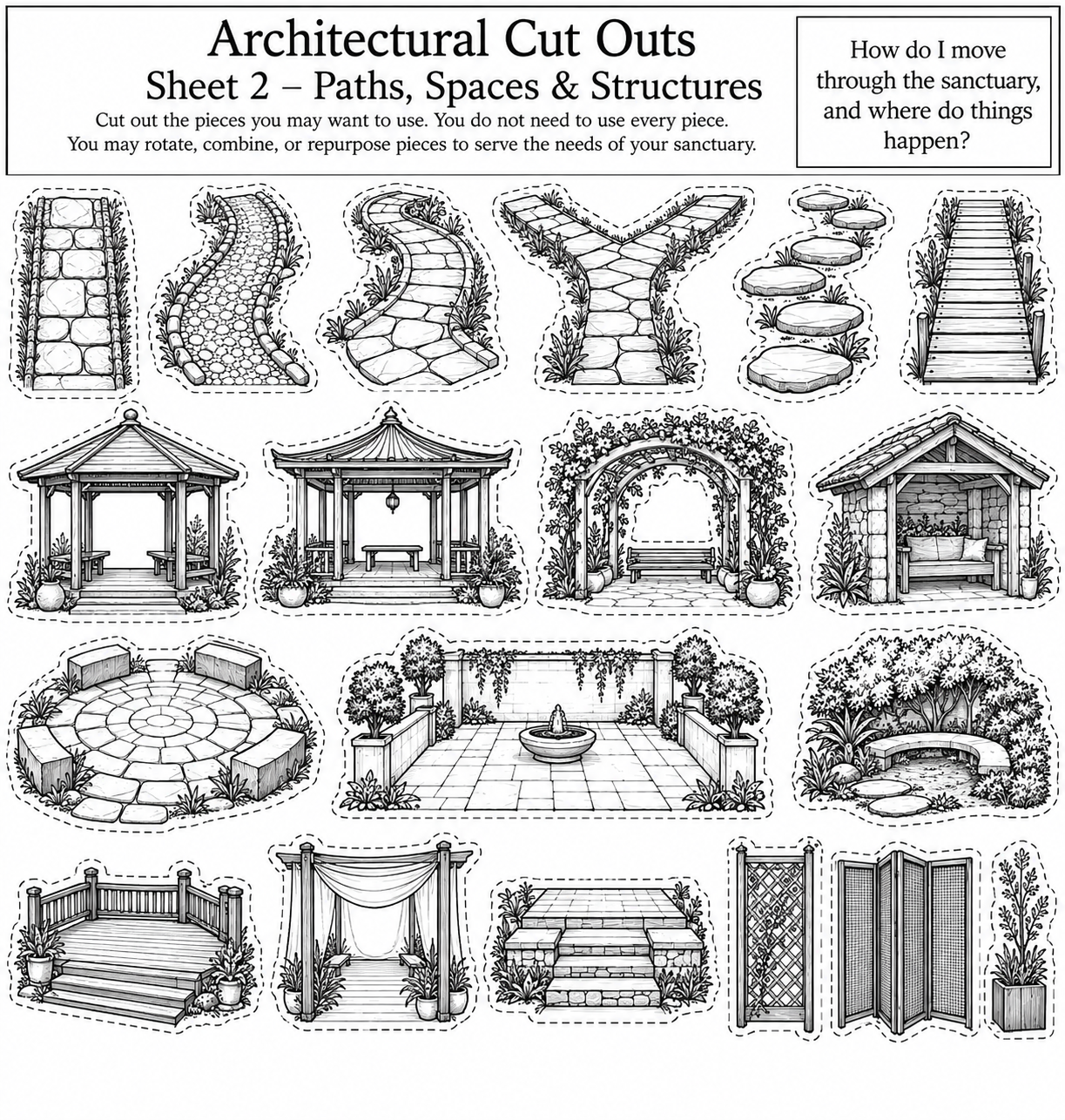
Rather than simply memorizing terms such as nave, narthex, apse, and dome, students actually use these features to solve a design problem. They cut, arrange, experiment, and make purposeful decisions about how people will enter, move through, gather within, and experience their building.
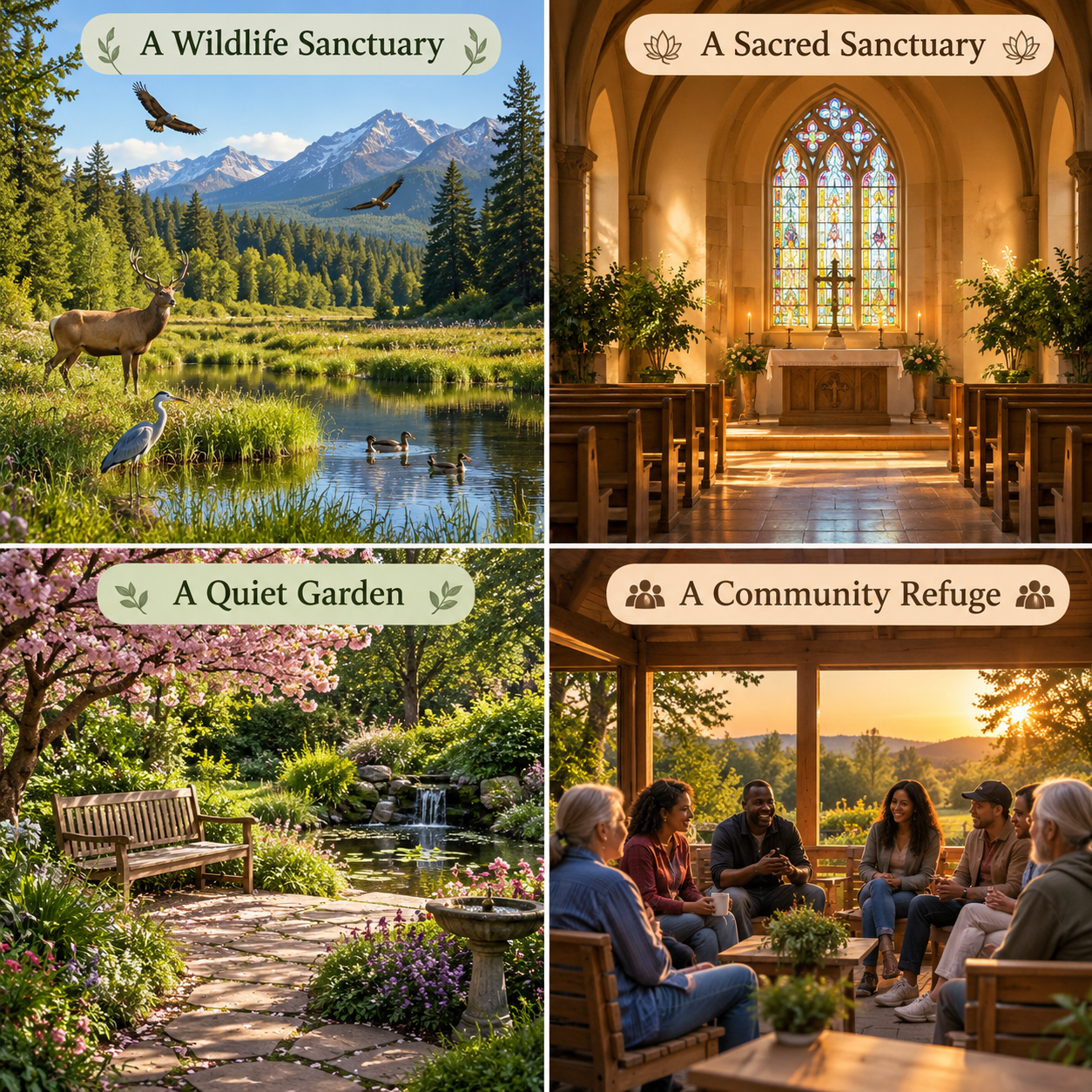
Students choose a design goal and consider how architecture can communicate that purpose.
The project develops architectural and cultural literacy students can carry beyond the history classroom. By learning how to recognize architectural features and read a basic floor plan, students gain a framework for better understanding historic churches, basilicas, mosques, museums, civic buildings, ruins, and other monumental spaces they may encounter throughout their lives.
Students will:
Learn the achetypal nature of basilica
Learn key architectural vocabulary
Read and interpret a basic architectural floor plan
Examine the architecture of Hagia Sophia
Design and build their own basilica using 3 pages of mix-and-match architectural pieces (successful for artistic & nonartistic students)
Graphic organizer and critical thinking questions
Explain and defend their architectural decisions
Share and discuss their designs with classmates
Reflect on what buildings reveal about the people and cultures that create them
More than a cut-and-paste activity, this is an opportunity for students to discover that architecture can be read—and that buildings tell stories about what human beings value, preserve, and make room for.
Ideal for: Byzantine or Ottoman Empire units, Hagia Sophia lessons, Medieval World History, architecture studies, enrichment, or a creative end-of-unit project.
Bring Byzantine architecture to life with a hands-on design project that gets students learning, creating, and thinking like architects.
In Build a Basilica, students learn the vocabulary of sacred and monumental architecture, examine the floor plan of Hagia Sophia, and then use printable architectural pieces to design a basilica of their own.
Rather than simply memorizing terms such as nave, narthex, apse, and dome, students actually use these features to solve a design problem. They cut, arrange, experiment, and make purposeful decisions about how people will enter, move through, gather within, and experience their building.
Students choose a design goal and consider how architecture can communicate that purpose.
The project develops architectural and cultural literacy students can carry beyond the history classroom. By learning how to recognize architectural features and read a basic floor plan, students gain a framework for better understanding historic churches, basilicas, mosques, museums, civic buildings, ruins, and other monumental spaces they may encounter throughout their lives.
Students will:
Learn the achetypal nature of basilica
Learn key architectural vocabulary
Read and interpret a basic architectural floor plan
Examine the architecture of Hagia Sophia
Design and build their own basilica using 3 pages of mix-and-match architectural pieces (successful for artistic & nonartistic students)
Graphic organizer and critical thinking questions
Explain and defend their architectural decisions
Share and discuss their designs with classmates
Reflect on what buildings reveal about the people and cultures that create them
More than a cut-and-paste activity, this is an opportunity for students to discover that architecture can be read—and that buildings tell stories about what human beings value, preserve, and make room for.
Ideal for: Byzantine or Ottoman Empire units, Hagia Sophia lessons, Medieval World History, architecture studies, enrichment, or a creative end-of-unit project.